
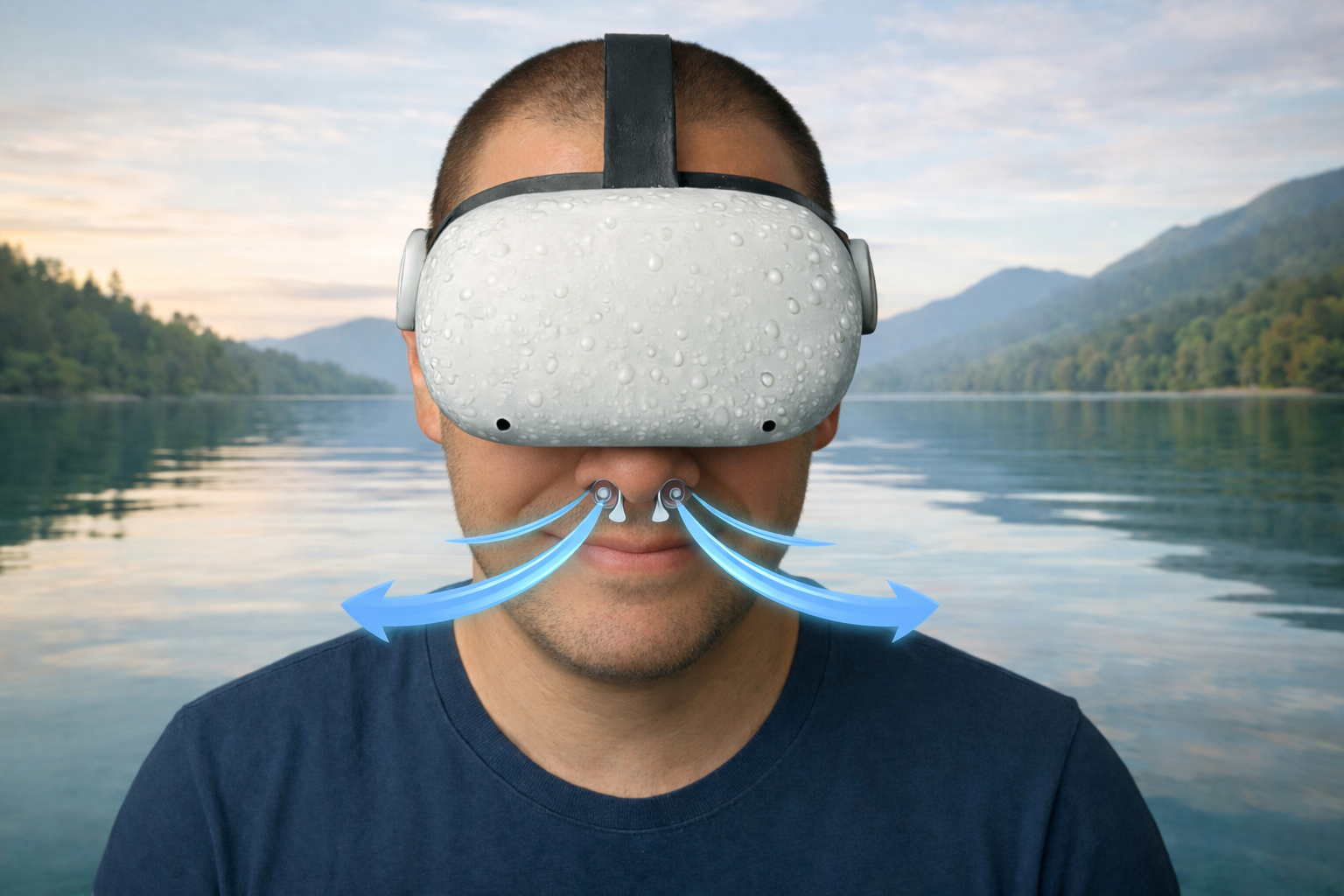
My last round of Supernatural. A 20-minute boxing session.
I am gasping.
My throat felt like the Sahara Desert. The headset fogged as warm breath escaped, each exhale bouncing back at me. Will, my assistant beaver, waited on standby with the oxygen mask like I was seconds from tapping out. Nasal breathing VR boxing was a big issue for me.
Halfway through the round, I caught myself mouth-breathing like I was sprinting uphill. So I forced my lips shut and pulled the air in through my nose. Slower. Quieter.
The fog eased. My shoulders dropped. Punches started landing cleaner not harder, just more controlled. I wasn’t out of shape. I was out of breath because I was breathing wrong.
I ripped the headset off after the bell, drenched and frustrated but this time I knew what cost me the round.
I have been there many times. Exhausted, with three more rounds to go. You know the saying, no pain, no gain. You are supposed to push yourself.
Still, I kept wondering what if I could just get more oxygen while training. What if VR boxing did not feel like a miserable cardio slog halfway through.
I kept asking myself the same questions. Why was my endurance dropping so fast. Why did my VR lenses fog up almost immediately. Why did my stamina crash halfway through a short session.
I tried pacing myself. I adjusted game settings. I lowered the intensity. Nothing worked.
That is when I stumbled across the idea of nasal breathing VR boxing with a nose dilator. I was skeptical. Could a tiny plastic device you stick in your nostrils really make a difference.
After testing it for two weeks, I can confidently say it did. Nasal breathing VR boxing quickly became the biggest upgrade to my endurance.
This is my experience.
Why Breathing Matters in nasal breathing VR boxing
If you think VR boxing is just fun and games, think again.
Games like Supernatural are real cardio workouts. I track my sessions, and a typical 60-minute bout can burn between 400 and 500 calories. Your arms, shoulders, core, and legs are all engaged. Your heart rate spikes. You are sweating. This is not a casual rhythm game. It is genuinely good for your health.
When you mouth breathe during VR boxing or any VR fitness app, you get thirsty very quickly. That leads to fatigue and sloppy movement. What I noticed with nasal breathing VR boxing, especially when using a nose dilator, is that airflow becomes steadier and more controlled.
Breathing through the nose opens the airways, encourages slower breathing, and keeps the body calm while fully engaged. It feels like your body is relaxed but still working hard.
Science backs this up. nasal breathing VR boxing warms, humidifies, and filters the air. It improves oxygen absorption, engages the diaphragm more fully, and helps the heart and lungs work more efficiently. Over time, that translates into better endurance.
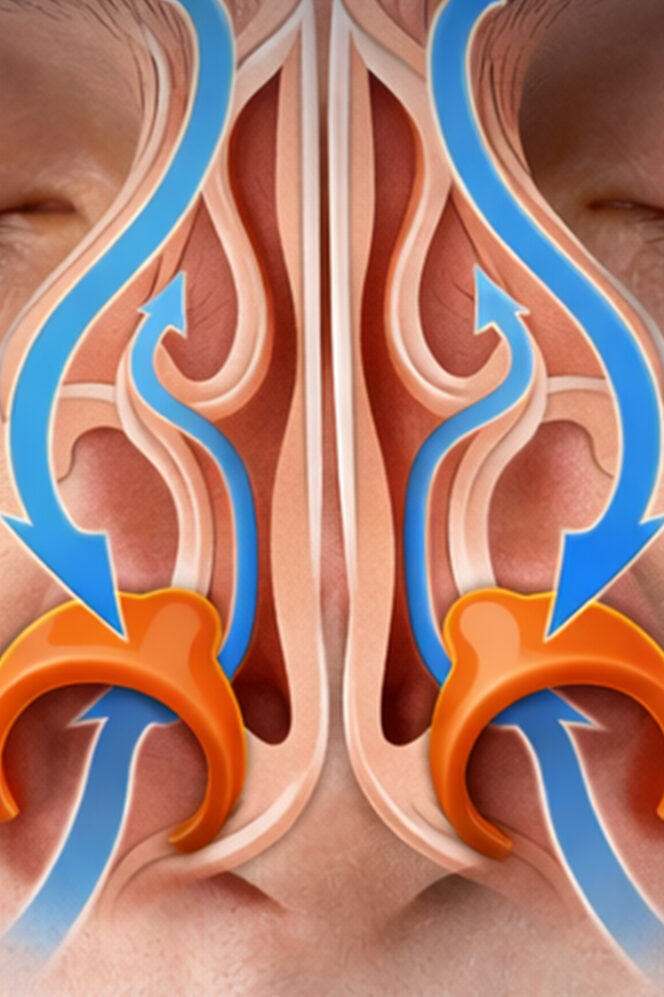
The Nose Dilator Experiment
I originally bought nasal breathing VR boxing dilators to help me sleep.
When I lie on my side, I have always struggled to breathe comfortably. With the dilators in, airflow feels dramatically more open. The difference was immediate and noticeable.
One night, during a Supernatural boxing session, I caught myself thinking why am I this tired. It is just one session.
That is when it clicked. I did not need more willpower. I needed oxygen.
So I tried the dilators during VR boxing.
Suddenly, I could stay relaxed longer while still hitting hard. It felt almost meditative, like controlled effort instead of constant struggle.
That was the moment the idea really took hold.
I also noticed that many top athletes use breathing aids when they train. Nose strips, clips, or airflow devices are common. If that helps them perform at a higher level, why not me. Will agreed. He even got his own pair.
First Session Results
The first session was eye opening.
I put the dilator in before warming up and jumped straight into a boxing round. For the first time in months, I breathed through my nose for the entire round.
There was no gasping and no switch to mouth breathing. Just steady, controlled inhalations and exhalations.
It felt strange at first, like my body had forgotten how to do this under pressure. But it adapted quickly.
I have been using them ever since.
I use nasal dilators from Amazon. They cost about fourteen dollars for a four pack and come in two sizes. They last for months and are easy to clean. I still drink water, but I am noticeably less thirsty. My mind feels clearer and my focus is sharper.
Lens Fog and an Unexpected Bonus
This was not something I anticipated.
Warm air from mouth breathing used to fog my VR lenses within minutes. With nasal breathing VR boxing, the lenses stay clear much longer.
Breathing through the nose redirects airflow away from the headset, which keeps the inside cooler and drier. I still use a floor fan, but the difference is dramatic.
Even Will, my imaginary VR fitness assistant, explains it best. When nasal passages are open, oxygen delivery improves, breathing becomes calmer, and lens fog is reduced.
How It changed my nasal breathing VR boxing performance
After a week of consistent testing, the effects were undeniable.
I could train longer without gasping for air. Sessions that used to end at twenty minutes stretched closer to forty. Focus improved dramatically. Instead of thinking about breathing, I could concentrate on strategy, combos, and footwork.
Less lens fog meant fewer interruptions. Better breathing meant more confidence. Confidence made it easier to push without fear of crashing from exhaustion.
Just recently, I completed a thirty minute session with six songs back to back. I needed a short pause at the end, but I finished. My nasal breathing VR boxing really made a difference.
The body adapts when given the right conditions. It improves, repairs itself, and gets more efficient over time.
Another unexpected benefit was recovery. Steady oxygen intake helped me train without completely draining my energy. That was not something I expected when I started this experiment.
Sleep still matters, and I am working on that, but now I have a tool that helps.
When It Helps Most and When It Does Not
A nose dilator is not necessary for every VR session, but it makes a significant difference during high intensity boxing, especially in longer sessions.
It is particularly helpful if your nasal passages are naturally narrow or if you are congested. Dry air, which is common during Canadian winters, makes nasal breathing more difficult. The dilator opens the airflow path and reduces resistance.
That said, it is not a magic solution. If you already breathe easily through your nose, you may not notice much change. If you have serious nasal or breathing issues, you should consult a doctor before experimenting.
This is my personal experience, not medical advice.
What I did notice is that the dilator seems to remind the brain how breathing is supposed to work. Once that connection is made, the body takes over.
My Current nasal breathing VR boxing Routine
Nasal breathing VR boxing is now part of my regular VR boxing routine.
I insert the dilator before warming up and focus on breathing through my nose during the warm up. During rounds, especially intense combos, I consciously return to nasal breathing VR boxing after the session, I remove and clean the dilator for next time.
I also spend about fifteen minutes on controlled nasal breathing before putting on the headset. It primes the lungs and diaphragm and makes the transition into VR much smoother.
The Canadian Winter Factor
I live in Canada, and winter VR fitness is brutal.
Cold, dry air constricts nasal passages and makes breathing harder. Mouth breathing dries the throat within minutes and makes sessions feel twice as exhausting.
Will the Beaver documented this in his winter lab notes. In cold rooms, nasal passages constrict quickly. Mouth breathing leads to a dry throat in minutes. Using a nose dilator combined with a fan makes forty minute sessions sustainable even in winter conditions.
During a week where temperatures dropped to minus twenty degrees Celsius, Will reached a simple conclusion. A nose dilator combined with warm up breathing drills is essential winter survival gear for VR fitness.
It is a small tweak, but when every breath counts in January, it matters.
If you struggle with stamina, nasal breathing VR boxing is worth experimenting with.
Final Thoughts
A nose dilator will not make you a better boxer. It will not improve technique or reflexes.
What it does do is remove a bottleneck.
Better nasal breathing VR boxing leads to longer sessions, improved focus, reduced lens fog, and more confidence. For anyone who finds themselves gasping through VR boxing sessions or constantly fighting foggy lenses, it is worth trying.
I am sold on it. That is why I wanted to share this experience.
If you want to take your VR fitness to the next level, you can download my free PDF below. It is an illustrated Hybrid Kettlebell Warm Up Routine I use before VR boxing to stay injury free, breathe better, and train longer.
Also I tested this app so you don’t need too, check it out
Also tested for 2 year Day or Night time VR Workout check it out
Disclaimer
This is my personal experience, not medical advice. If you have breathing difficulties, consult a doctor. I am just a guy who boxes in VR and got tired of gasping for air. As the mad scientist I am, Will and I test things and share what actually works.
Affiliate Disclosure
A quick word from my sponsors, also known as my wallet. As an Amazon Associate, I earn from qualifying purchases. If you click a link and buy something, I may earn a small commission at no extra cost to you. I only recommend products I personally own and use. Transparency matters in fitness and in business.