
January 15, 2026
Affiliate Disclosure : A quick word from my sponsors (aka, my wallet): As an Amazon Associate, I earn from qualifying purchases. If you click a link and buy something, I may earn a small commission at no extra cost to you. I only recommend products I personally own and use. If I mention something I haven’t tested yet, I’ll always say so. Transparency matters, in fitness and in business.
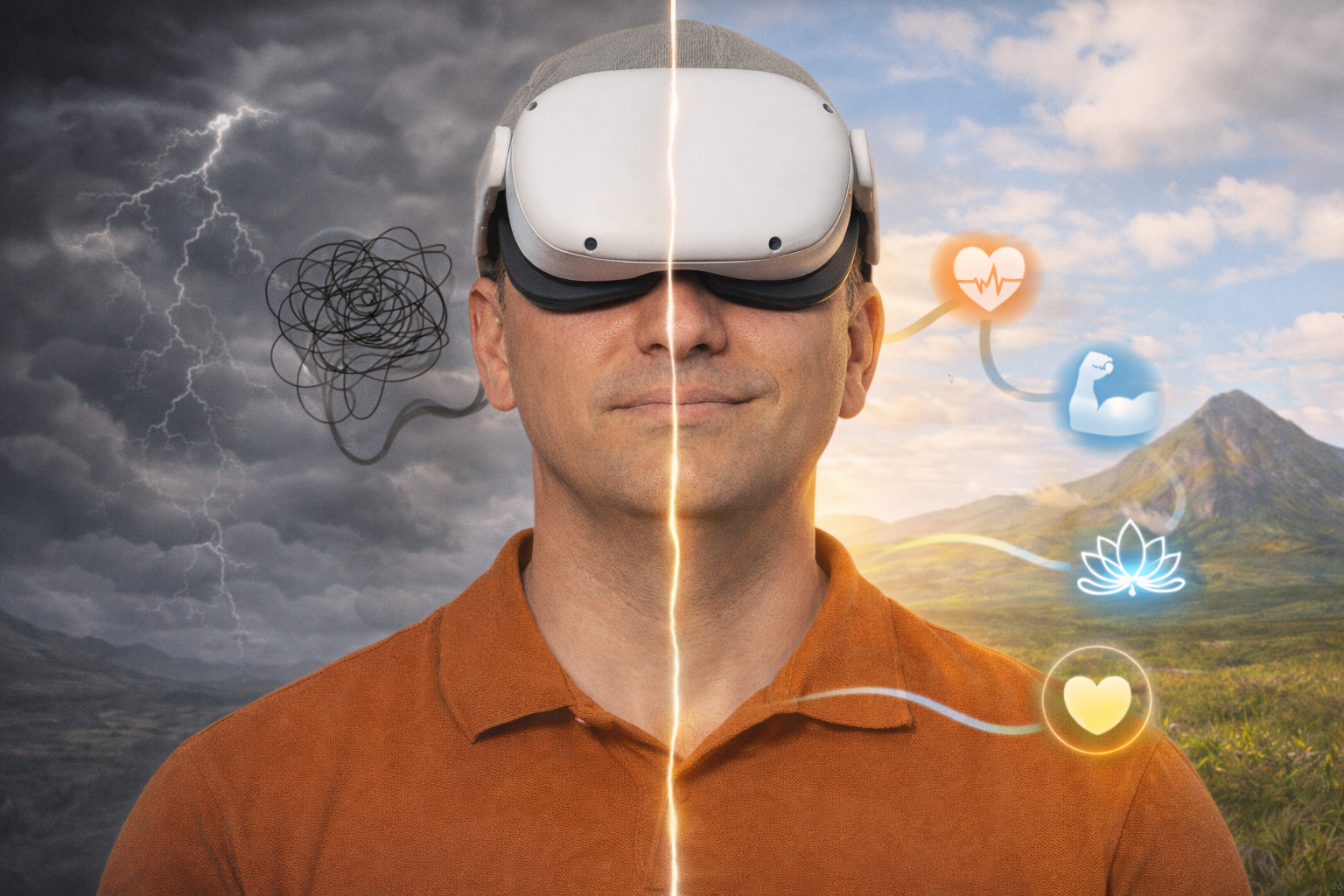
When I started working from home, I didn’t think much about my VR Fitness Mental Health. On paper, everything looked great: no commute, no traffic, comfortable clothes, and more time in my day. It felt like a win.
Then winter arrived.
Not the cozy kind of winter, the long Canadian kind. Cold. Dark. Quiet by late afternoon. I’d finish work around 4:45 PM, close my laptop, and just… sit there. No transition. No routine. No clear signal that my workday had actually ended.
That’s when I realized the real problem wasn’t work-from-home itself. It was what happened after work, or more accurately, what didn’t.
MY VR FITNESS mental health SETUP (WHAT ACTUALLY HELPED):
• Meta Quest 2, but i am upgrading to the quest3 soon
•15lb Kettlebell ($30) – For warm-up routine. The kettlebell warm-up before VR workouts made a huge difference. Sign up and il send you the free PDF with my kettlebell workout routine. It reduced injuries and made me feel more prepared mentally.
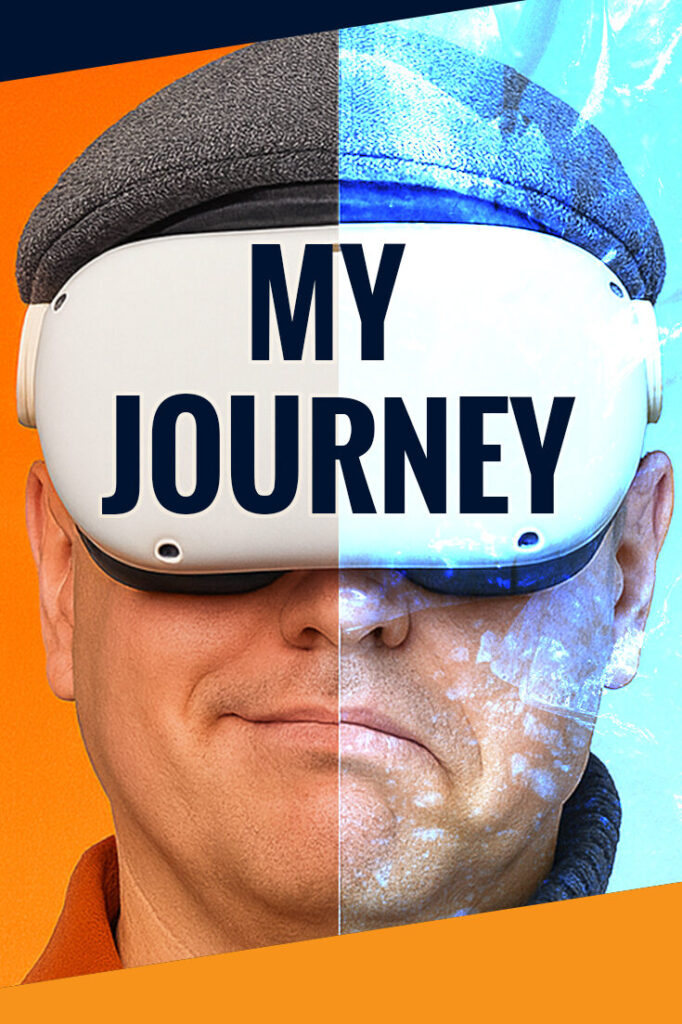
The Real Problem: No Routine, No Release
I’m an introvert. I recharge alone. So at first, working from home felt like a perfect fit.
But over time, the lack of structure started to wear on me. Without a routine, my days blurred together. Work ended, but nothing replaced it. In winter, when daylight disappears early and going outside feels like effort, that lack of movement and rhythm hit even harder.
I wanted to stay active. I wanted to protect my mental health. I wanted to feel like I had done something good for myself by the end of the day.
Instead, I felt drained. Mentally wired from work, but with no outlet. No physical release. No clear way to reset.
That familiar winter heaviness started creeping in.
Why Motivation Alone Wasn’t Enough
I didn’t lack willpower. I lacked frictionless options.
I had tried traditional workouts before, and they worked, temporarily. I’d start strong, feel good for a few weeks, then slowly fall off. Consistency was always the issue.
In summer, movement happens naturally. Walks, golf, being outside. Winter removes all of that.
Gyms are great. If your goal is serious physique change or lifting heavy, they’re hard to beat. But for me, an introvert, working from home, already mentally tired, the preparation, planning, and effort made it harder to show up consistently.
I needed something that fit into my life as it was, not something that required more energy than I had left.
How VR Fitness Became the Solution (Almost by Accident)
I originally bought my Quest 2 with fitness in mind. I downloaded apps like Supernatural and picked up a golf app because I love the game.
At first, VR fitness mental health felt intense. Very “in your face.” But once I adjusted, something clicked.
You put on the headset. You start moving. And suddenly, stopping feels harder than continuing.
I’d tell myself I’d do 20 or 30 minutes, and an hour would fly by. More importantly, it gave my day a clear transition. Finish work at 4:45. Headset on shortly after. Work mode off.
Even Will, my lab assistant (yes, he’s a beaver), noticed. At first, he was skeptical. Now he knows the routine. When the headset goes on, that’s my time.
What Changed (And Why That Matters)
Within the first couple of weeks, something unexpected happened: I stuck with it. Every day.
My energy improved. My mood lifted. My sense of humor came back. I didn’t expect that part.
After about a month, I felt proud, not because of dramatic physical changes, but because I was actually taking care of myself. I felt calmer after sessions. Clearer. More capable.
Will noticed too. Early on, his tail was straight up in full skeptical-beaver mode. Now? He settles in. He knows I’ll be moving for 30–45 minutes and come out in a noticeably better mood.
I stayed consistent for nearly a full year. These days, I average about three sessions a week, and I still enjoy it. That level of consistency was something I struggled with for years before VR.
Why VR Fitness Mental Health Benefits Are Stronger in Winter
The biggest difference isn’t the exercise, it’s how easy it is to start.
No commute. No setup. No mental negotiation. You put on the headset and you’re in.
The immersion helps too. You’re not staring at a wall or a mirror. You’re engaged. Focused. Present.
Golf in VR, especially during winter, feels like stepping back onto the course when everything outside is frozen. That mental escape matters more than I expected.
Small wins add up. One session. Then another. Over time, those wins rebuild confidence, energy, and momentum.
My VR Fitness Setup for Mental Health
Here’s what makes VR fitness mental health sustainable for my mental health:
Here’s what I actually use:
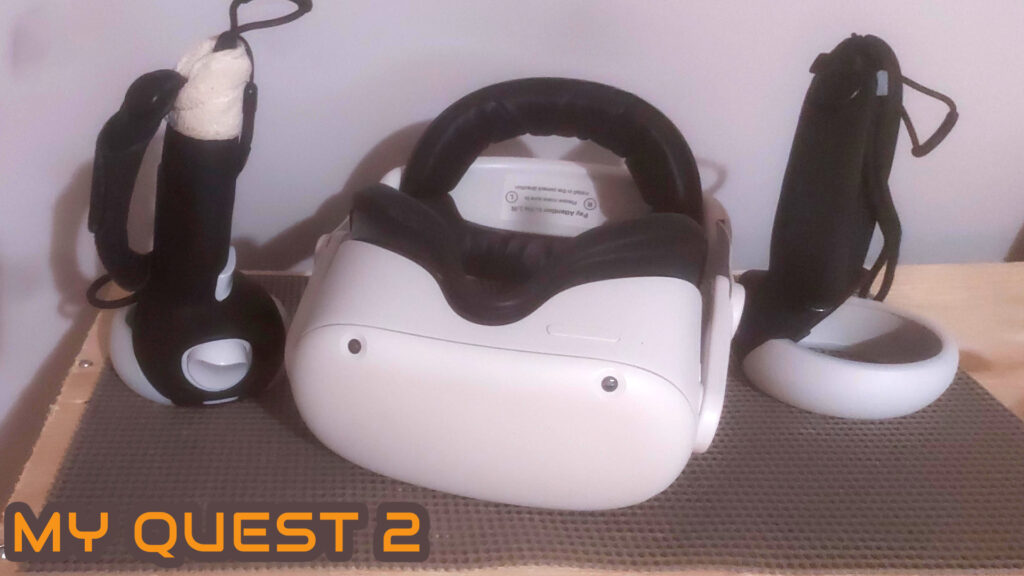
I have a QUEST2 pro, I am very happy with it, I think they don’t sell these new anymore, so I link the Quest3, always buy new with the Quest, in my opinion.
My Meta Quest 2 (image) Quest 3 my next purchase very soon. (check current price)
My VR headset. Still works perfectly with all VR fitness apps.
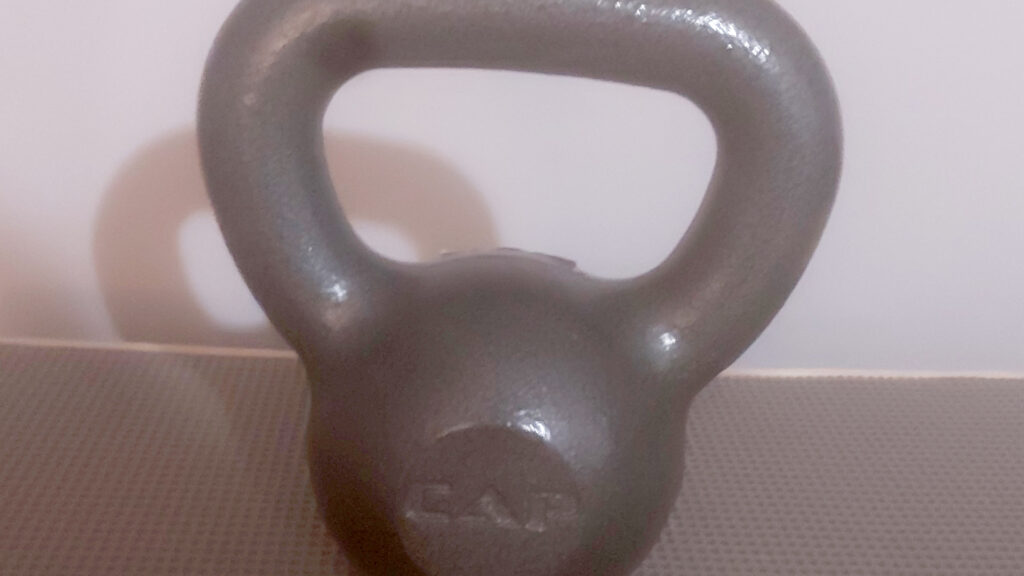
This is pretty close to mine.
15lb Kettlebell (check current price)
5-minute physical warm-up helps mental warm-up too.
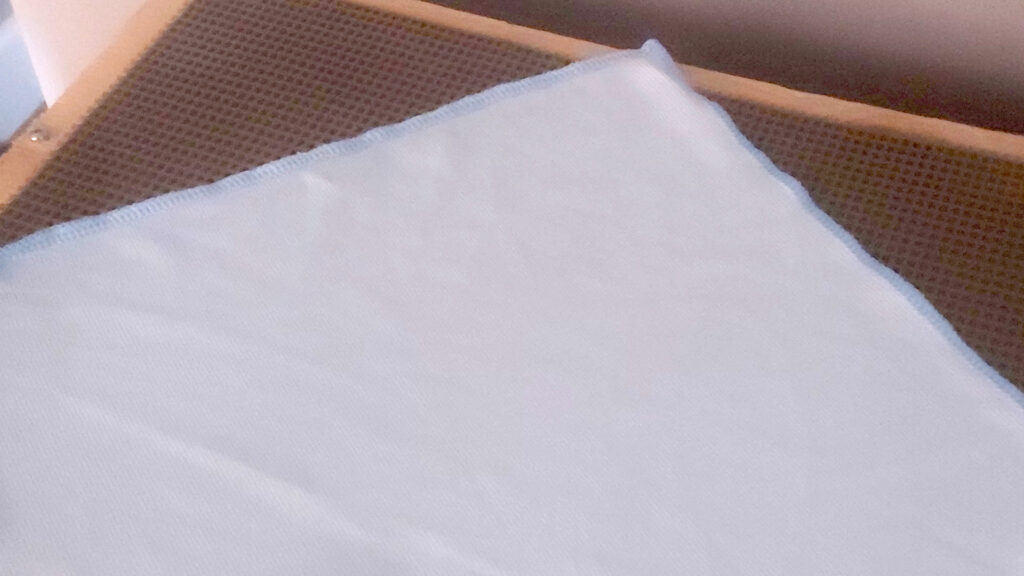
This is pretty close to what I use.
Micro-Fiber cloth (check current price)
Essential for cardio sessions. Clear lenses = better accuracy.
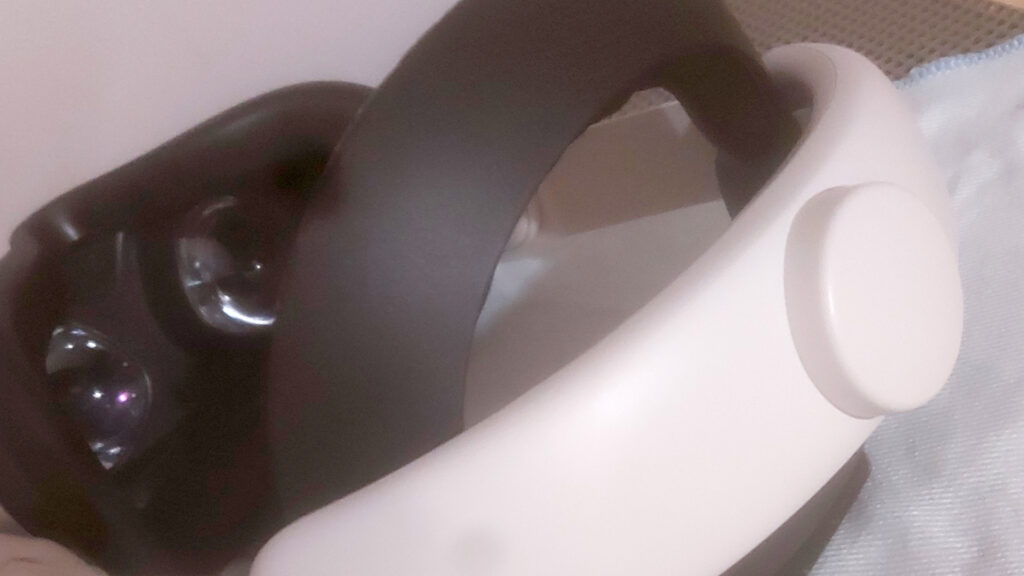
VR Head Strap (check current price)
More comfortable for 30+ minute workouts. Keeps headset clean.
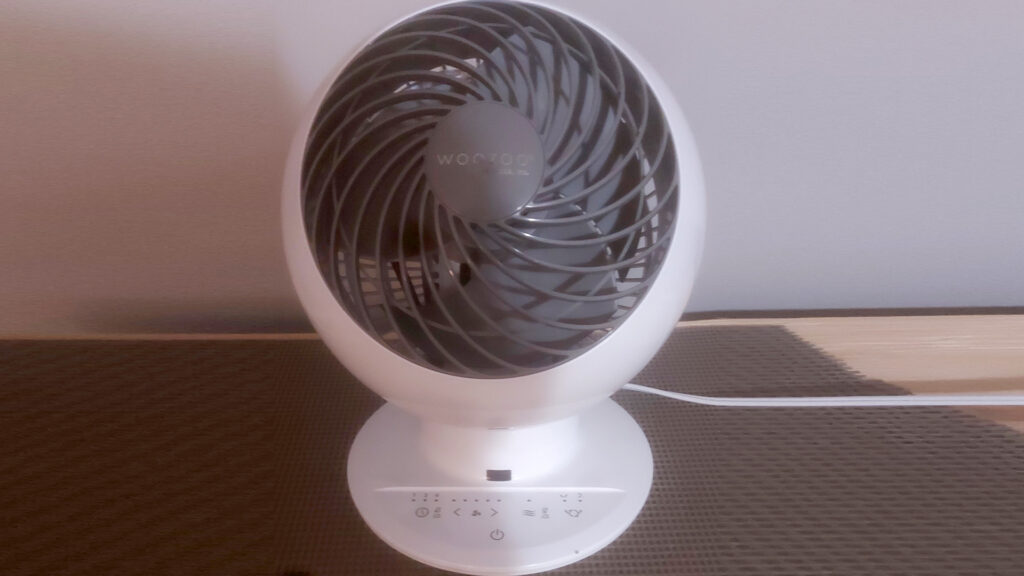
Floor Fan (check current price)
Cooling down physically helps me cool down mentally.
These aren’t just fitness tools – they’re mental health tools.
My Realistic Routine
I don’t aim for perfection. I aim for consistency.
Most sessions are 30–45 minutes. Some shorter. Some longer. The key is that it fits naturally after work.
I don’t obsess over numbers. I pay attention to how I feel afterward:
- More relaxed
- Mentally lighter
- Glad I showed up
That’s what keeps me coming back.
Why This Works Well for Introverts
Gyms aren’t bad, but they can be draining.
VR fitness lets me move, sweat, and focus entirely on myself. No social pressure. No performance. No energy drain beyond the workout itself. Its me against me.
When I’m done, I’m done, and my battery isn’t empty.
What VR Fitness Doesn’t Replace
VR fitness helps me release stress after work, but it’s not a cure-all.
Warming up matters. Overdoing it can lead to injury. And VR shouldn’t be a way to avoid real-life issues.
I bought my Quest 2 with a clear intention: to stay active and mentally healthy. The apps support that goal. The balance matters.
Who This Is For
This is for anyone who feels their energy drops like for example during winter and wants a way to stay consistent, without fighting themselves every day.
You don’t need to love exercise. You don’t need to be perfect. You just need something that fits your life.
Equipment I Use
MY VR FITNESS SETUP (WHAT HELPED): Here’s exactly what I use for VR fitness mental health during winters:
- Meta Quest 2/Quest 3 (check current price) – My VR headset
- 15lb Kettlebell (check current price) – For warm-ups before VR boxing
- VR Anti-Fog Spray (check current price) – Keeps lenses clear during cardio
- VR Face Cover (check current price) – More comfortable for long sessions
- Floor Fan (check current price) – Helps with fogging and cooling
The kettlebell warm-up made a huge difference. It reduced injuries and made me feel more prepared mentally. KETTLEBELL ARTICLE
Final Thoughts
VR fitness didn’t change my life overnight. But it solved a very real problem for me at the right time.
Working from home during especially Canadian winters can quietly drain your motivation and mental strength. Having a simple, enjoyable way to move, right when work ends, made all the difference.
For me (and for Will), VR fitness mental health isn’t about escaping reality. It’s about showing up for myself, even on cold, dark days.
If you’re struggling with winter blues in Canada (or anywhere cold)
here’s what I recommend:
1. Get a VR headset (Meta Quest 2) but get the QUEST3
2. 15lb kettlebell for warm-ups
3. Anti-fog spray – Essential for cardio workouts
Total cost: $350 (estimate) one-time investment for year-round indoor fitness.
For introverts, VR fitness mental health benefits can be life-changing.
Ready to Start?
Get my FREE VR Fitness Quick Start Guide
Includes:
- Simple equipment checklist
- Beginner routine designed for winter months
- Mental health tracking tips for introverts
My next PDF is going to be and infographic you can follow with your fitness VR session, you ust need a 15 lbs kettle bell and your QUEST2-3 il post it soon. Stay tuned.
Related Articles
- Meta Just Shut Down Supernatural VR – What Happens Now
- Golf5 VR Review: How I Play Golf Year-Round in the Canadian Winter
- How to Set Up Your VR Fitness Space (Without Punching Your TV)